
Paludiculture
Paludiculture: Productive Farming on Wet and Rewetted Peatlands
Paludiculture is the productive use of wet and rewetted peatlands, enabling farming systems that maintain high water tables while keeping land economically viable. By moving away from drainage‑based agriculture, paludiculture reduces greenhouse gas emissions, protects peat soils, and supports resilient farming businesses across the UK.
The Importance of Paludiculture
Paludiculture, or wetter farming, is the practice of growing crops that are suited to wetland conditions, often peatland. By carefully changing existing land drainage to raise the water table, these crops can then be farmed, ensuring the land remains financially viable.
Drained peat soils release large quantities of carbon dioxide as peat oxidises. Rewetting peatlands helps to lock carbon into the soil, significantly reducing emissions while slowing land subsidence. Paludiculture makes this possible by supporting crops and farming systems that are adapted to wet conditions rather than dependent on drainage.
For a further introduction to paludiculture read the Natural England blog “Paludiculture – the future of farming on peat soils?“ and the The Lancashire Wildlife Trust "What is wetter farming?" blog post.
For a more comprehensive appraisal of paludiculture:
A guide to support the practical implementation of paludiculture systems
Managing for a sustainable future: Cropping systems on drained lowland peat (pdf)
Impacts of paludiculture on the natural environment: a scoping report (pdf)
Who is this site for?
This website supports farmers, land managers, advisors, policymakers, researchers, and supply‑chain partners who are exploring or developing paludiculture systems on lowland peat soils. It brings together UK‑specific guidance, projects, events, and the latest policy and funding information.
Explore Paludiculture in Practice
Use this site to learn about paludiculture crops, establishment and management, UK projects and trials, and how wetter farming fits within national climate, nature, and agricultural policy.
What is paludiculture?

‘From the Fens, With the Fens, For the Fens’ by Lucy Mitchell. Reproduced with permission from Lucy Mitchell
Paludiculture is a system of agriculture designed for wet and rewetted peatlands. Instead of lowering water tables through drainage, paludiculture maintains wetter conditions and grows crops that are adapted to high water levels. This protects peat soils while allowing land to remain productive. More >>


Videos
Talking Paludiculture
The Talking Paludiculture vlog is hosted by Megan Hudson (Fenland Soil), (https://vimeo.com/showcase/talking-paludiculture-pod). The podacasts are hosted by Elizabeth Stockdale (Niab). A new episode will be published every second week.
Reflections on the opportunities for paludiculture now and in the future
Lauryn McLoughlin - Manchester Metropolitan University, Thomas Vaughan – BASIS Registration lead, and Adam Briggs – NFU Policy Manager, North of England
Reflections on the work carried out so far and its impact
The role of farmers in developing solutions for land use issues in the light of climate change and Net Zero targets
Challenges faced in the development of paludiculture
Ongoing research on pockets of peat soils at Harper Adams
Julia Casperd and Jim Monaghan, Harper Adams University
Balancing re-wetting and production on patchy peat soils within landscapes
Exploring impacts on greenhouse gas emissions and biodiversity
Challenges in achieving effective water management on small parcels of land
Delivering resilience through water management at landscape scale
Integration of paludiculture as part of an integrated approach to achieving net zero in agriculture
Reflections from farmers exploring new opportunities for lowland peat
Martin Lawrenson – Mixed farmer, Lancashire Mosses, and David Holton – Farmer, Republic of Ireland
Options for carbon credits through carbon farming
Looking for positive impacts on wildlife and nature
Interest and engagement with trials and need for evidence to support change
Exploring opportunities to integrate a range of options across farm
Reflecting challenges for paludiculture from an economic perspective
Dave Clare and Karl Behrendt, Harper Adams University
Fit for paludiculture in the wider economic landscape – markets, wider outcomes and the impact for land use decision-making
Knowledge gaps that need to be addressed for development of paludiculture systems in the UK
Useful publications

Potential for Greenhouse Gas Emission Savings from Paludiculture
Drained agricultural lowland peat accounts for 1.5% of the UKs total GHG emissions while supporting 40% of the country’s vegetable production. Paludiculture offers a potential alternative to conventional agriculture that combines profitable crop production with reduced environmental impacts.
Katy Ross, Defra
2024

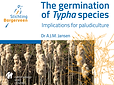
The germination of Typha species: Implications for paludiculture
The report reviews existing literature on Typha (cattail) germination and identifies key ecological factors influencing its reproduction, with direct implications for its use as a paludiculture crop. Typha species produce extremely large quantities of viable seeds that disperse widely and form persistent seed banks, enabling rapid colonisation of rewetted peatlands.
Greifswald Mire Centre
2021
More paliudiculture resources can be found here>>