
Paludiculture in regions with patchy peat
The North West of England is home to significant areas of lowland peat, from the Chat Moss peatlands of Greater Manchester to the Lancashire Mosslands and beyond, the majority of these peatlands have been drained and converted to grade one agricultural land. Releasing large amounts of CO2 and other greenhouse gases, many of these areas are also proving increasingly difficult to farm productively under drainage based agricultural practices.
Paludiculture, also known as wetter farming, offers a potential solution for maintaining the profitable use of lowland peatland whilst significantly reducing the greenhouse gas emissions. By raising the water table to reinstate their natural wetland conditions, crops can be grown which thrive in these wetter conditions. This allows the land to remain productive, whilst protecting the remaining soil carbon and thus reducing greenhouse gas emissions from the land.
A number of different organisations, farmers and landowners are working together across the North West to test and trial different paludiculture practices, aiming to help provide answers to questions such as how to raise water tables, what can you grow, how you actually farm it, and can paludiculture be profitable.
.webp)
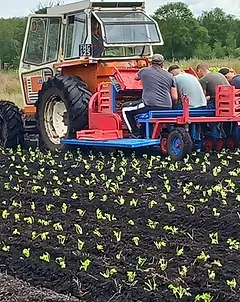
Planting celery at the Rindle wetter farming trial in Greater Manchester
Latest News and Blog


Videos


Projects
Publications

Potential for Greenhouse Gas Emission Savings from Paludiculture
Drained agricultural lowland peat accounts for 1.5% of the UKs total GHG emissions while supporting 40% of the country’s vegetable production. Paludiculture offers a potential alternative to conventional agriculture that combines profitable crop production with reduced environmental impacts.
Katy Ross, Defra
2024


