
Paludiculture in regions with patchy peat
The North West of England is home to significant areas of lowland peat, from the Chat Moss peatlands of Greater Manchester to the Lancashire Mosslands and beyond, the majority of these peatlands have been drained and converted to grade one agricultural land. Releasing large amounts of CO2 and other greenhouse gases, many of these areas are also proving increasingly difficult to farm productively under drainage based agricultural practices.
Paludiculture, also known as wetter farming, offers a potential solution for maintaining the profitable use of lowland peatland whilst significantly reducing the greenhouse gas emissions. By raising the water table to reinstate their natural wetland conditions, crops can be grown which thrive in these wetter conditions. This allows the land to remain productive, whilst protecting the remaining soil carbon and thus reducing greenhouse gas emissions from the land.
A number of different organisations, farmers and landowners are working together across the North West to test and trial different paludiculture practices, aiming to help provide answers to questions such as how to raise water tables, what can you grow, how you actually farm it, and can paludiculture be profitable.
.webp)
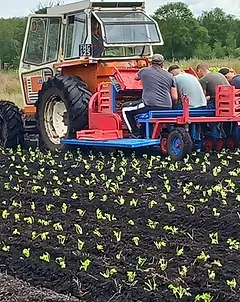
Planting celery at the Rindle wetter farming trial in Greater Manchester
Latest News and Blog


Videos


Projects
Publications

Impacts of paludiculture on the natural environment: a scoping report
Impacts of paludiculture on the natural environment: a scoping report focussing on English lowland peat landscapes and providing an overview of:
observed and potential impacts of paludiculture on the natural environment, specifically soils, hydrology, water quality, biodiversity, and landscape character and heritage,
management options to minimise negative and maximise positive impacts,
open research questions and knowledge gaps related to these impacts, and
strengths, weaknesses, opportunities and threats related to paludiculture and its impacts on the natural environment.
Taylor NG & Stockdale EA
2025

Potential markets for paludiculture crops
Paludiculture has been proposed as a potential solution for maintaining the profitable use of lowland peatlands whilst significantly reducing greenhouse gas emissions. However, underpinning the success of paludiculture is the market viability of paludiculture products.
Katy Ross, Defra
2025

Design Guide to Support Water Table and Water Resource Management in the Broads National Park
The Broads Authority have worked with the Environment Agency to develop a design guide to help interested farmers and landowners plan and implement watertable management strategies. The guide focusses on the typical policy, constraints, and opportunities for water supply, water level management and the permissions required for the restoration of degraded lowland peat
Broads Authority
2025

A guide to support practical implementation of paludiculture systems
This guide is intended to provide guidance and support for the conversion of land and farms to paludiculture and is primarily aimed at farmers and owners of peatland who are considering or already planning this conversion. The aim of the guide is to summarise current knowledge and present the individual steps needed for conversion clearly.
A translation of the Leitfaden Fur Die Umsetzung Von Paludikultur
2025


